

What Happens at an Indian Wedding?
If you're attending your first Indian wedding, you might have heard it described as a multi-day festival, a vibrant explosion of color, or a joyful marathon. All true. But beneath the surface, each event carries deep cultural and spiritual significance. For your non-Indian friends, understanding these traditions can transform their experience from an observer to a participant.
This isn't about memorizing every Sanskrit chant, but offering a roadmap to the major milestones, explaining what's happening, and suggesting how to engage. We want your loved ones to feel included, not confused.
The Mehendi: Art, Celebration, and New Beginnings
Often one of the first events, the Mehendi is a relaxed, festive gathering where intricate henna designs are applied to the bride's hands and feet. Guests often get smaller designs too, making it a fun, social event.
What to Expect:
- Atmosphere: Casual, lively, with music, food, and plenty of chatter.
- Significance: Henna is believed to bring good luck, prosperity, and fertility to the couple. The darker the henna, the deeper the love between the couple and with their in-laws.
- Participation: Get a small henna design yourself! It's a beautiful temporary tattoo. Enjoy the music, mingle, and share in the excitement.
- Attire: Bright, comfortable, festive attire. Avoid anything you'd be worried about getting stained by henna (it washes off, but better safe).
The Sangeet: Dance, Music, and Family Performances
The Sangeet (meaning "sung together") is typically a vibrant evening of music, dance, and choreographed performances by family and friends. It's a high-energy event, often with professional entertainers, but always features heartfelt contributions from both sides of the family.
What to Expect:
- Atmosphere: A full-on party! Expect loud music, dazzling lights, and a dance floor that stays packed.
- Significance: Historically, it was a women-only event to celebrate the bride, but today it's a co-ed celebration for both families to mingle and showcase their talents. It's a joyful release before the solemnity of the wedding ceremony.
- Participation: Hit the dance floor! Even if you don't know the steps, the energy is infectious. Applaud the performances enthusiastically.
- Attire: Festive Indian wear (lehengas, sarees, kurtas) or formal Western cocktail attire. Think bright colors, sparkle, and anything you can dance comfortably in.
The Wedding Ceremony: Sacred Vows and Rituals
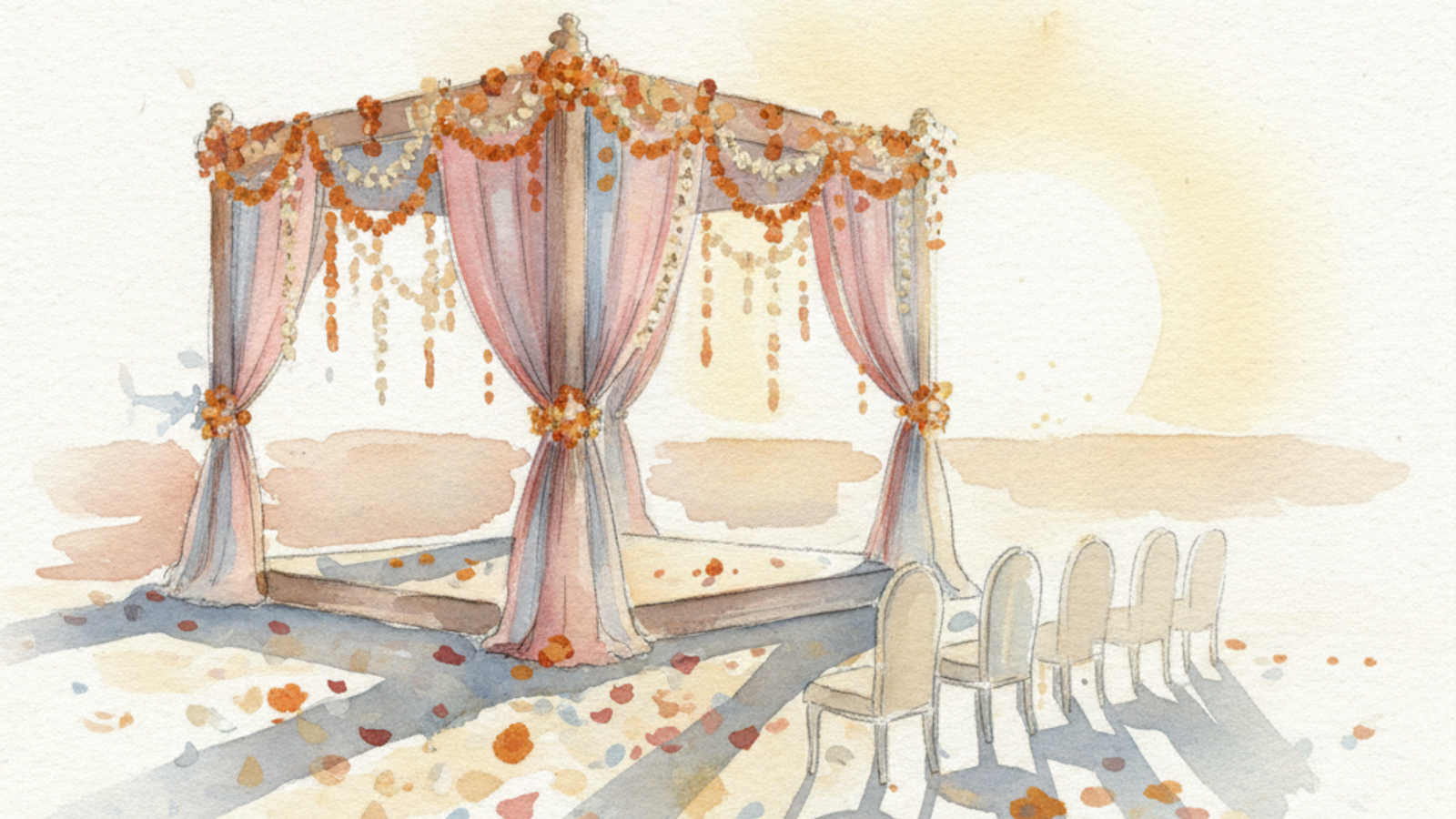
This is the main event, often taking place under a beautifully decorated canopy called a mandap. Indian wedding ceremonies are rich with symbolism, honoring ancient traditions and uniting two families. While variations exist across regions and religions, the core essence remains the same: a sacred union.
What to Expect:
- Atmosphere: More formal and reverent than the Mehendi or Sangeet. It can be lengthy, often lasting a few hours.
- Key Moments (common to many traditions):
- Baraat: The groom's procession, often on a horse or in a car, accompanied by music and dancing, signifying his joyful arrival. Guests are encouraged to dance along!
- Varmala/Jaimala: The exchange of garlands between the bride and groom, a playful and symbolic moment of acceptance.
- Kanyadaan: The giving away of the bride by her parents, a poignant moment.
- Mangal Pheras/Agni Pradakshina: The couple walks around a sacred fire, taking vows and blessings. Each round signifies a different aspect of their commitment (Dharma, Artha, Kama, Moksha).
- Saptapadi (Seven Steps): The couple takes seven steps together, each with a specific vow for their married life.
- Mangalsutra: A sacred necklace or thread tied by the groom around the bride's neck, symbolizing their marital bond.
- Participation: Observe respectfully. You might be invited to shower petals during certain rituals. Photography is usually fine from a distance, but avoid interrupting sacred moments. Stay seated during the main rituals.
- Attire: Formal Indian attire (sarees, lehengas, sherwanis, kurtas) or formal Western wear (suits, elegant dresses). Shoulders and knees should generally be covered as a sign of respect.
What Else to Keep in Mind
- Food: Expect incredible food, often served buffet-style. There will almost always be abundant vegetarian options. Don't be shy about trying new dishes!
- Blessings: Elders might bless the couple by placing their hand on their heads or offering a small gift. It's a gesture of respect and love.
- Flexibility: Indian weddings can run on "Indian Standard Time," meaning things might not start exactly when scheduled. Embrace the flow!
- Respect: Show respect for the traditions, even if you don't understand every detail. Your presence and willingness to engage are the most meaningful contributions.
Beyond the Rituals: The Experience
Ultimately, an Indian wedding is a celebration of family, community, and the joining of two souls. For your non-Indian friends, it's an immersive cultural experience, a chance to witness love, joy, and tradition on a grand scale. By providing a little context, you empower them to connect more deeply with every moment.
Plan your cross-cultural wedding communication with Phera and make every guest feel at home.